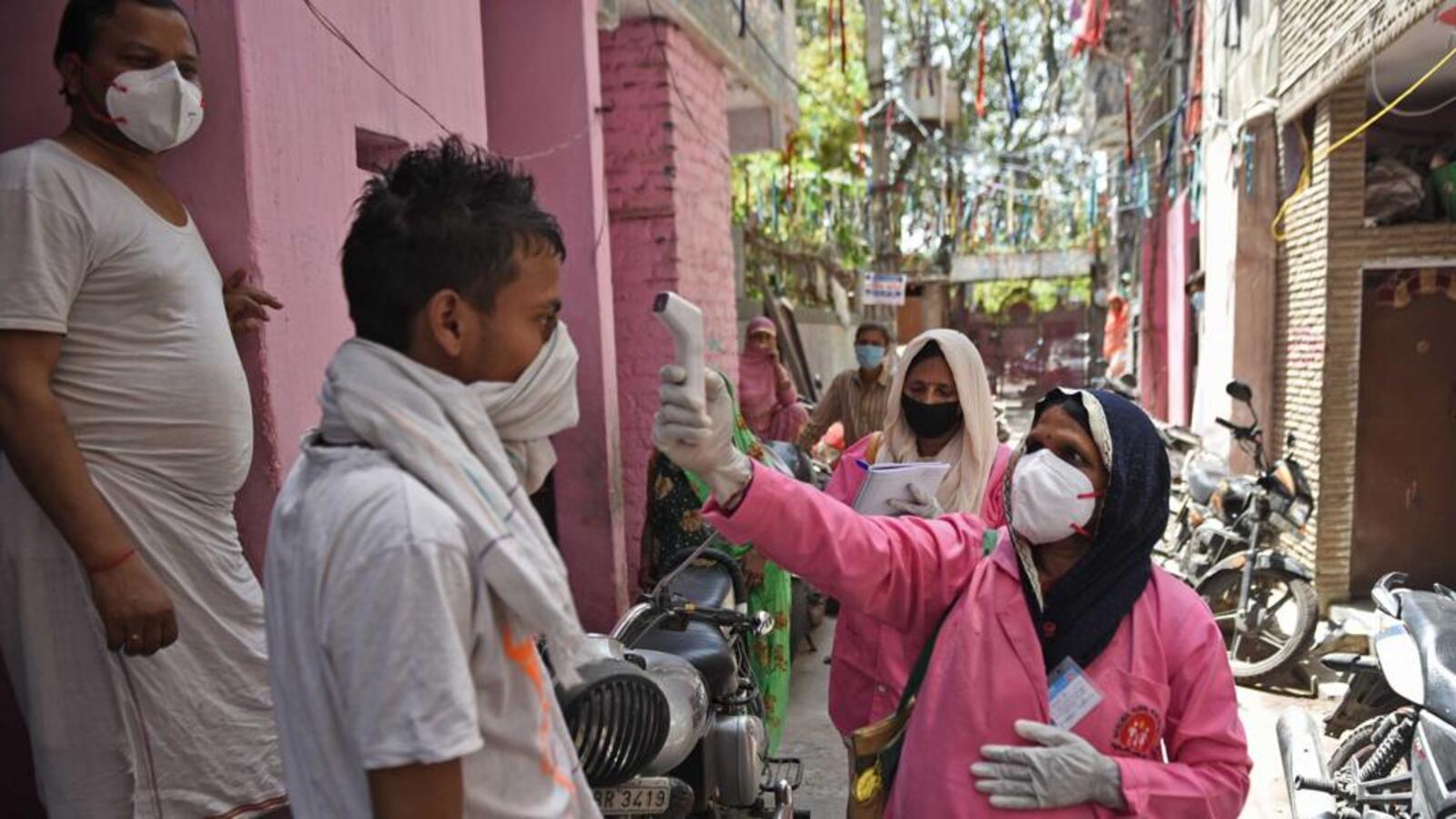
The Indian Council of Medical Research (ICMR) has launched a syndromic surveillance initiative for infectious diseases, designed to provide early warnings of outbreaks, according to people familiar with the matter. The network will operate across 70 Virus Research and Diagnostic Laboratories (VRDLs) and Infectious Disease Research & Diagnostic Laboratories (IRDLs) under the department of health research's VRDL scheme.
The initiative aims to use real-time or near real-time health data to provide immediate analysis and feedback for epidemiological investigation of potential outbreaks. It is also intended to help determine the size, spread and speed of an outbreak after detection.
A document drafted to outline the process notes that laboratory testing algorithms for infectious diseases in India currently vary by institute or region and are largely directed at individual diseases with sequential testing. It says scientific literature on countrywide prevalence and trends of pathogens is limited, which hampers India-specific surveillance and testing policies. The document adds that pathogen testing in clinical microbiology laboratories differs as per institutional requirements and available resources, often missing common or critical pathogens and aggravating public health problems such as antimicrobial resistance.
According to the document, the ICMR has listed important pathogens causing critical infectious syndromes in India to guide patient management, public health policies and biomedical research. The priority pathogen lists were developed in consultation with clinicians, laboratory experts and epidemiologists from across the country over a series of 44 meetings, with working groups reviewing literature from India and similar settings. The lists cover pathogens causing Acute Febrile Illness, Acute Encephalitis Syndrome, Acute Respiratory Illness and Acute Diarrhoeal Disease, and are also meant to guide indigenous industry partners in developing customised, India-specific medical countermeasures. Pathogens are listed in a graded approach, from commonly encountered microbes to rare, exotic or high-risk pathogens.