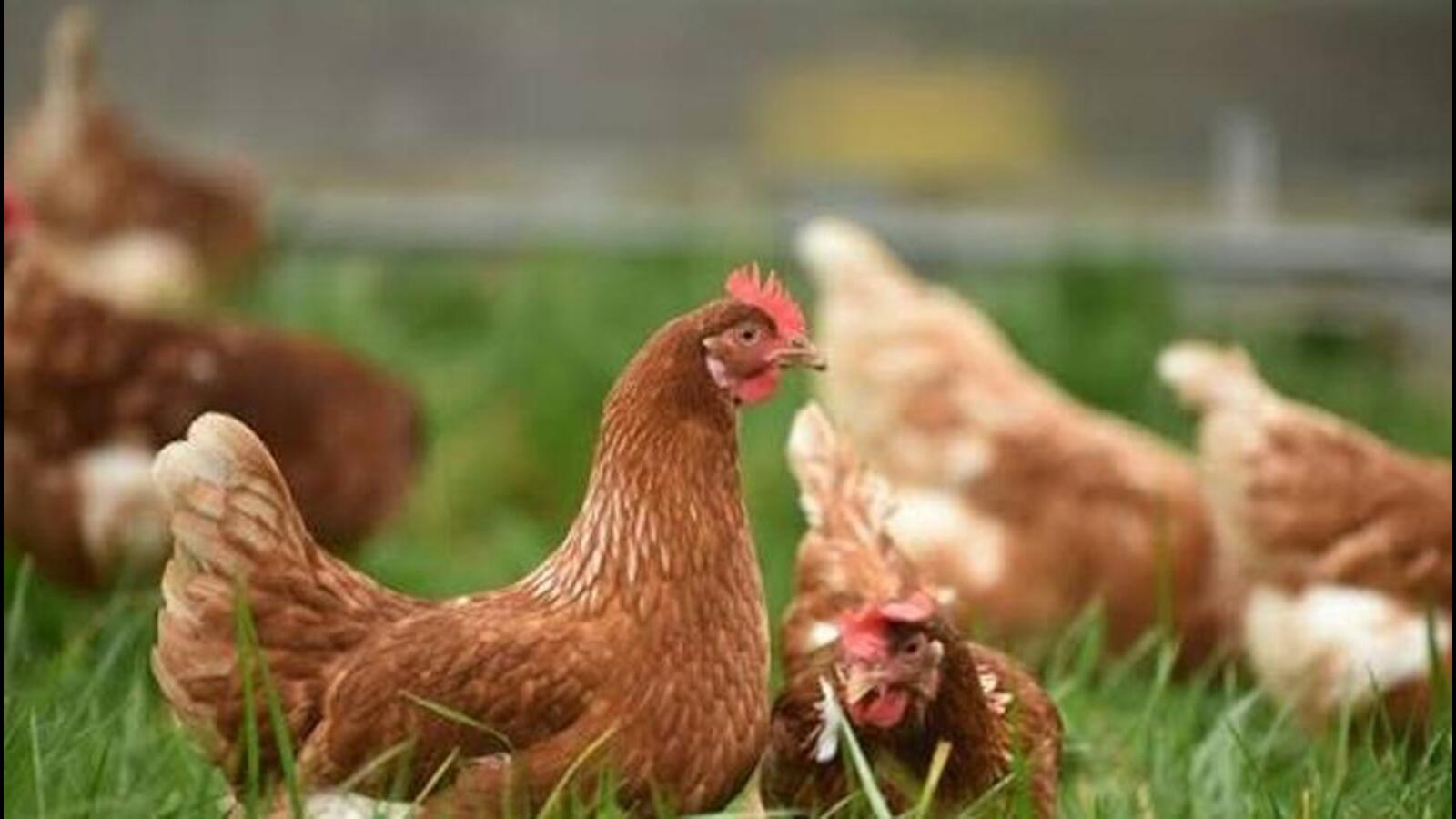
India's first indigenous vaccine against the H5N1 strain of bird flu in chickens was unveiled in Bhopal on Tuesday. Developed by scientists at the Indian Council of Agricultural Research's (ICAR) National Institute of High Security Animal Diseases (NIHSAD), the vaccine is priced at ₹1-2 per dose and is expected to strengthen disease prevention in the poultry sector and reduce economic losses. Union agriculture and farmers' welfare and rural development minister Shivraj Singh Chouhan unveiled the vaccine.
Describing animal husbandry and poultry as vital pillars of the rural economy, Chouhan said livestock function as "moving ATMs" for farmers, providing a regular source of income alongside agriculture. He said animal husbandry contributes 14% to India's GDP, while the poultry sector accounts for another 1 per cent, and cited average annual losses from livestock diseases, including ₹22,000 crore from foot-and-mouth disease and ₹20,000 crore from Lumpy Skin Disease. He said indigenous vaccines are playing a crucial role in protecting livestock, safeguarding farmers' incomes and reducing this economic burden.
A NIHSAD scientist said the vaccine is the world's first against this particular variant of bird flu and is expected to protect the livelihoods of millions of poultry farmers. The research team comprised Dr S Nagarajan, Dr Manoj Kumar, Dr C Tosh, Dr H.V. Murugkar, Dr Aniket Sanyal, Dr Senthil Kumar D., Dr Naveen Kumar and Dr Yogisharadhya R. Chouhan said the scientists worked under stringent biosafety protocols, and announced the establishment of a new state-of-the-art laboratory in Bhopal at an estimated cost of ₹300 crore.
The minister also took a swipe at Opposition leaders for allegedly questioning India's constitutional institutions and scientific capabilities while speaking abroad. Without naming Congress leader Rahul Gandhi, he said those who travel overseas and criticise the country should take note of India's achievements and growing scientific strength. India's first bird flu outbreak was reported in Navapur, Maharashtra, in 2006, and since then the country has witnessed more than 500 outbreaks, according to the original report.