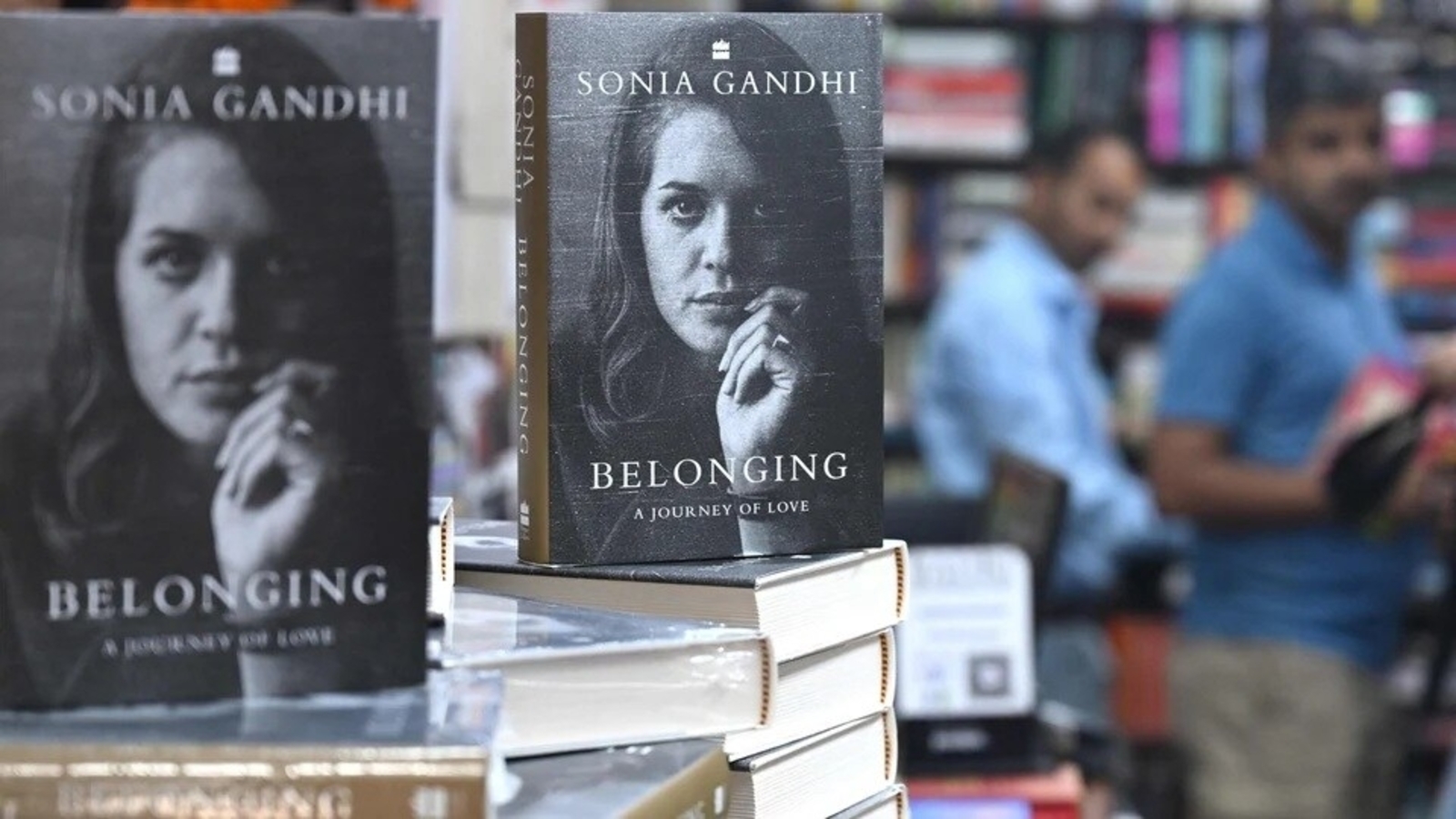
Sonia Gandhi's memoir Belonging: A Journey of Love offers a candid account of the cultural barriers she faced after moving from a small Italian village to India's premier political household in 1968, according to an author's reading of the book. The author, who has written biographies of Mirza Ghalib and Adi Shankaracharya, notes that while Gandhi describes the book as a personal memoir, her public stature makes political controversy predictable.
The memoir details the challenges of adjusting to Indian culture, from adapting to fiery spices and learning to wear a sari to agonising over how to address her mother-in-law, Indira Gandhi, resisting the expectation to call her "Ma". Gandhi describes the vulnerability of being an outsider, constantly conscious of being watched and anxious about unintended faux pas within an intricate Indian family structure.
The author argues that the idea of a seamless "global village" is a fashionable truism among globalisation's advocates. Shared consumer symbols such as fast-food chains and international news networks, he writes, do not erase deep civilisational differences in language, dress, customs, religious beliefs and food preferences. Culture, he contends, is etched into civilisational DNA rather than something that can be put on and taken off at will.
Citing an example from his own book Becoming Indian, the author recounts the story of an Indian woman bureaucrat in Paris who set off a hotel alarm while trying to sight the moon for her Karva Chauth fast, and could not explain herself to French police due to the language barrier. He found Gandhi's Belonging a compelling read.