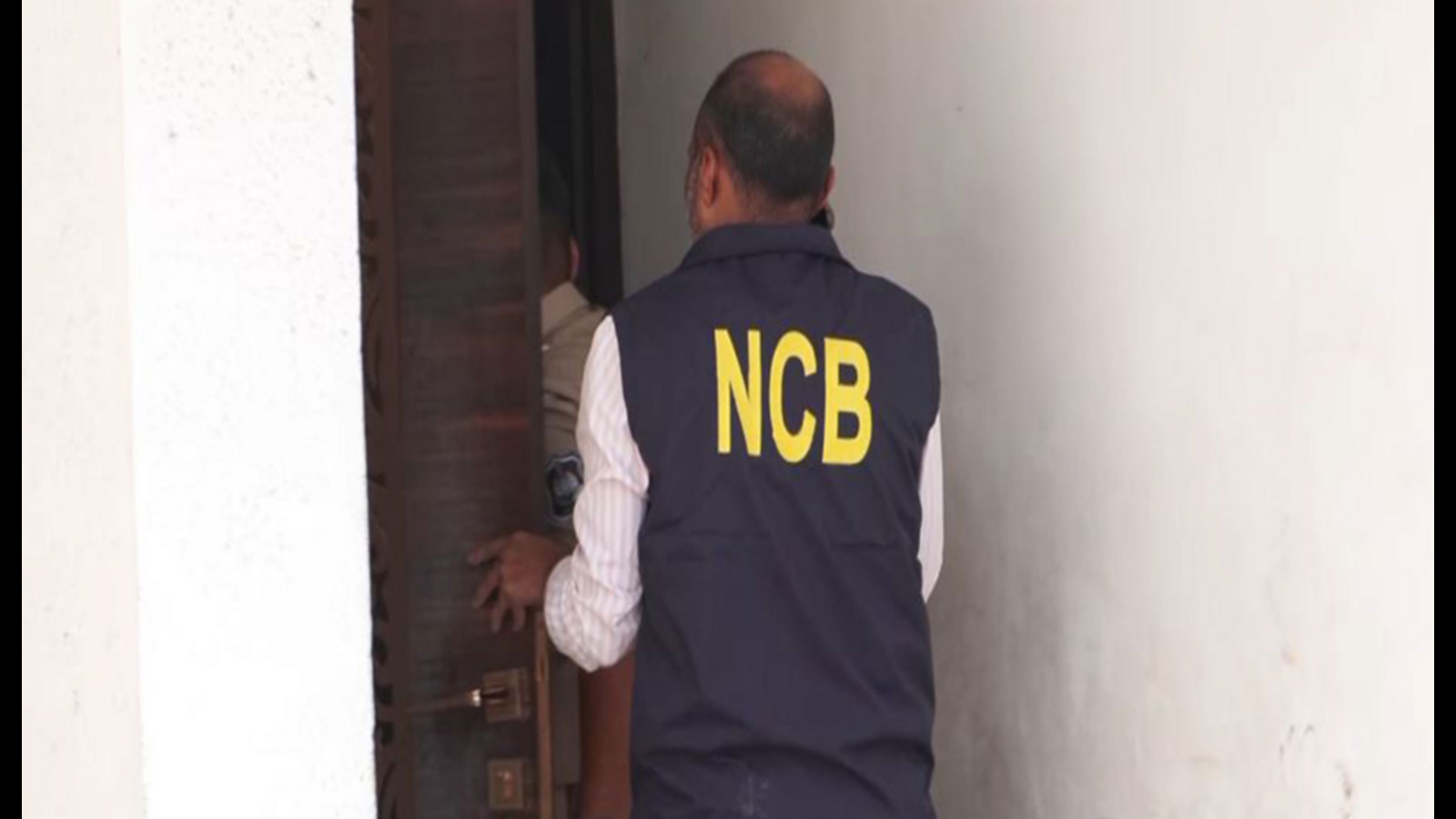
The Narcotics Control Bureau (NCB) has said that clandestine laboratories manufacturing mephedrone are turning to commonly available hydrobromic acid to work around restrictions on a key precursor chemical, according to a statement issued after a recent bust.
On March 11, the Union finance ministry's revenue department notified 2-Bromo-4-Methylpropiophenone as the eighth chemical on the controlled substance list, acting after the NCB wrote to the home and finance ministries that the compound was being used in illegal labs to prepare mephedrone. The NCB said the Ahmedabad case indicates traffickers are attempting to circumvent this control through an alternative manufacturing method.
On November 15, the NCB and Gujarat Police busted a mephedrone laboratory in Ahmedabad's Sarkhej, concealed in the basement of a residential building with its entrance hidden behind what appeared to be a wardrobe and a removable section of tiled flooring. The agency said it recovered 25 chemicals weighing 130.613 kg, including methylamine, bromine and hydrobromic acid, along with equipment such as heating mantles, digital magnetic stirrers and round-bottom flasks, and suspected mephedrone in powder and liquid form.
The accused, Mudasar Ahmed Khan, told investigators he learnt the process online and was attempting to produce good-quality drugs after procuring chemicals and equipment from Mandsaur and Ahmedabad, the NCB said, adding that he ran a café suspected to have been used as a delivery point. The agency urged chemical and pharmaceutical manufacturers, importers, distributors and traders to follow its Voluntary Code of Conduct, conduct effective KYC, verify end use and report suspicious transactions, stressing vigilance over non-scheduled precursor chemicals as well.