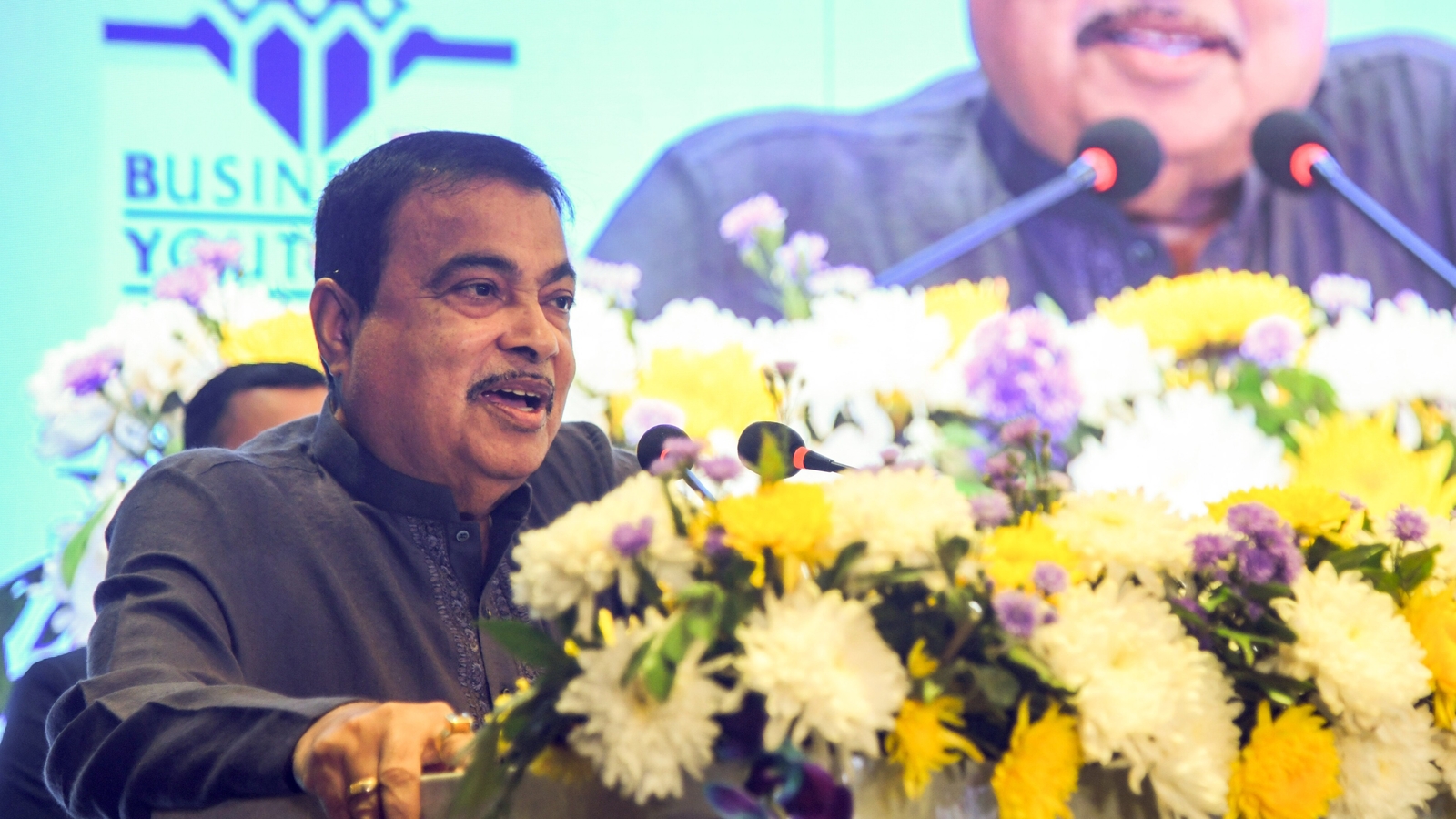
Union minister for road transport and highways Nitin Gadkari on Thursday called for continuous upgradation of technology in road infrastructure development, stressing innovation, strict quality standards and road safety. Addressing the 85th annual session of the Indian Roads Congress in Hyderabad, he said India had attained the number one position globally in road infrastructure and set eight world records in the sector.
Gadkari said road development requires a forward-looking approach with continuous upgradation of technology, construction materials and engineering practices, noting that technologies used today could become obsolete within a year. He cautioned that prolonged reliance on conventional materials and practices could lead to stagnation and the formation of cartels that artificially inflate material prices, and called for greater exchange of ideas, research and adoption of successful global practices.
The minister said there would be no compromise on road quality and underscored the role of the National Highways Authority of India in maintaining high construction standards. He said the government was committed to transparency, time-bound execution, result-oriented functioning and corruption-free administration, adding that lapses in quality would not be tolerated and inquiries had been ordered against several contractors wherever deficiencies were noticed.
Referring to the recently completed Dwarka Expressway in Delhi, Gadkari said infrastructure development along the corridor had spurred township growth and other projects, with investments estimated at around ₹10 lakh crore. He also expressed serious concern over the high number of road accidents and fatalities, particularly among young people, and urged engineers and construction agencies to identify and eliminate accident-prone black spots, integrating road safety into highway planning, design and construction. Telangana chief minister A Revanth Reddy said the state was aiming to become a US$3-trillion economy by 2047, with a development strategy built around services, manufacturing, agriculture and infrastructure expansion.